



How a pro CS2 match works
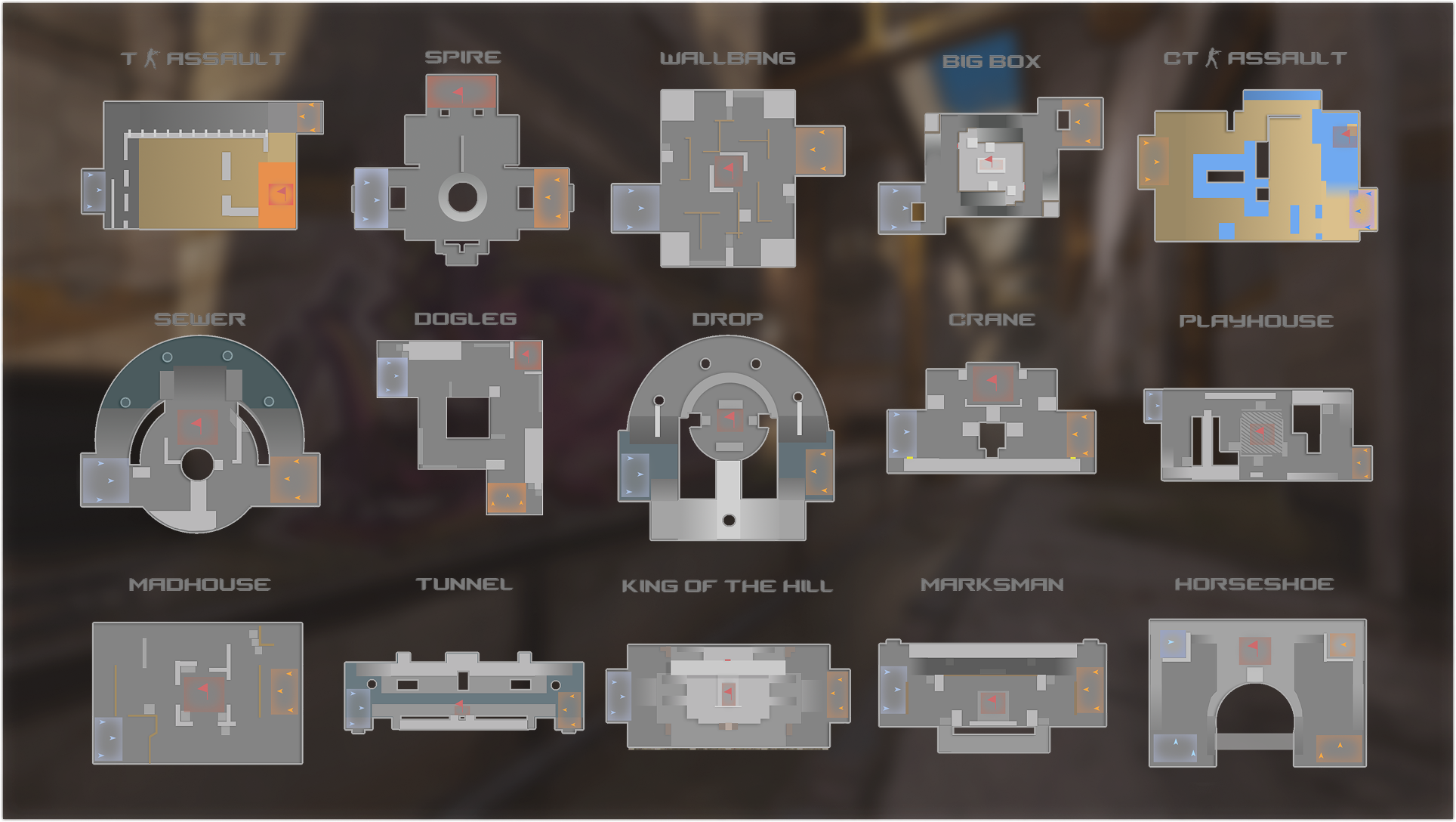
Counter-Strike 2 replaced CS:GO in September 2023, but the heart of the game is the same as it has been for twenty-five years. Two teams of five, one side trying to plant a bomb, the other trying to stop it or defuse it. Pro matches are played on the seven maps of Valve's Active Duty pool. Before a series, teams take turns banning and picking maps, so a best-of-three is as much a test of map pool depth as of aim.
Each map is a race to 13 rounds. Teams swap sides after 12 rounds, so both get a half on attack and a half on defence. If it reaches 12–12, the map goes to overtime: blocks of six rounds where the first team to four wins. Overtime repeats until someone does.
The economy is the game inside the game
Every round, players spend money on rifles, armour and grenades. Winning a round, planting the bomb and getting kills all pay. Losing pays less, though the loss bonus grows with each round lost in a row. That forces a decision at the start of every round: buy everything, save money for later, or "force buy" with whatever you can afford.
This is why the first rounds matter so much. The team that wins the pistol round usually wins the next one or two as well, because the other side can't afford proper weapons yet. When you watch a match, check both teams' money at the start of each round. It explains a lot of results that look like upsets.
Roles on a team
- In-game leader (IGL): calls the strategy, reads the opponent and decides the mid-round adjustments.
- AWPer: carries the expensive sniper rifle and is often the team's biggest threat.
- Entry fragger: first through the door on attack, trading their life for space.
- Lurker: works alone on the far side of the map to catch rotating defenders.
- Support and anchors: throw utility for teammates and hold a bombsite on defence.
A team's ceiling usually comes down to how good its IGL and AWPer are.
How the season works
CS2 has no franchised league. Since 2025, Valve's rules say tournament invites have to come from open qualifiers or Valve's own Regional Standings ranking, not from partnership deals. So any team can climb by winning.
The two Majors each year are the biggest events. They're sponsored by Valve and played in stages using the Swiss format: teams with the same record face each other, three wins to advance, three losses and you're out. Between the Majors, tournament organisers like ESL, BLAST and PGL run the rest of the top-tier calendar.
Following CS2 on FragZone
The latest CS2 headlines above come from Dexerto, PCGamesN, UKCSGO and Valve's own update feed. Each one links to the original article on the publisher's site. The Live page lists the most-watched CS2 streams right now. The Esports page shows a recent form table, live and finished matches, and the current S-tier and A-tier tournaments. Our match previews and guides are on the blog.